




"Whole Person" Health in 2026: What NIH's Integrative Research Focus Means for Everyday Wellness
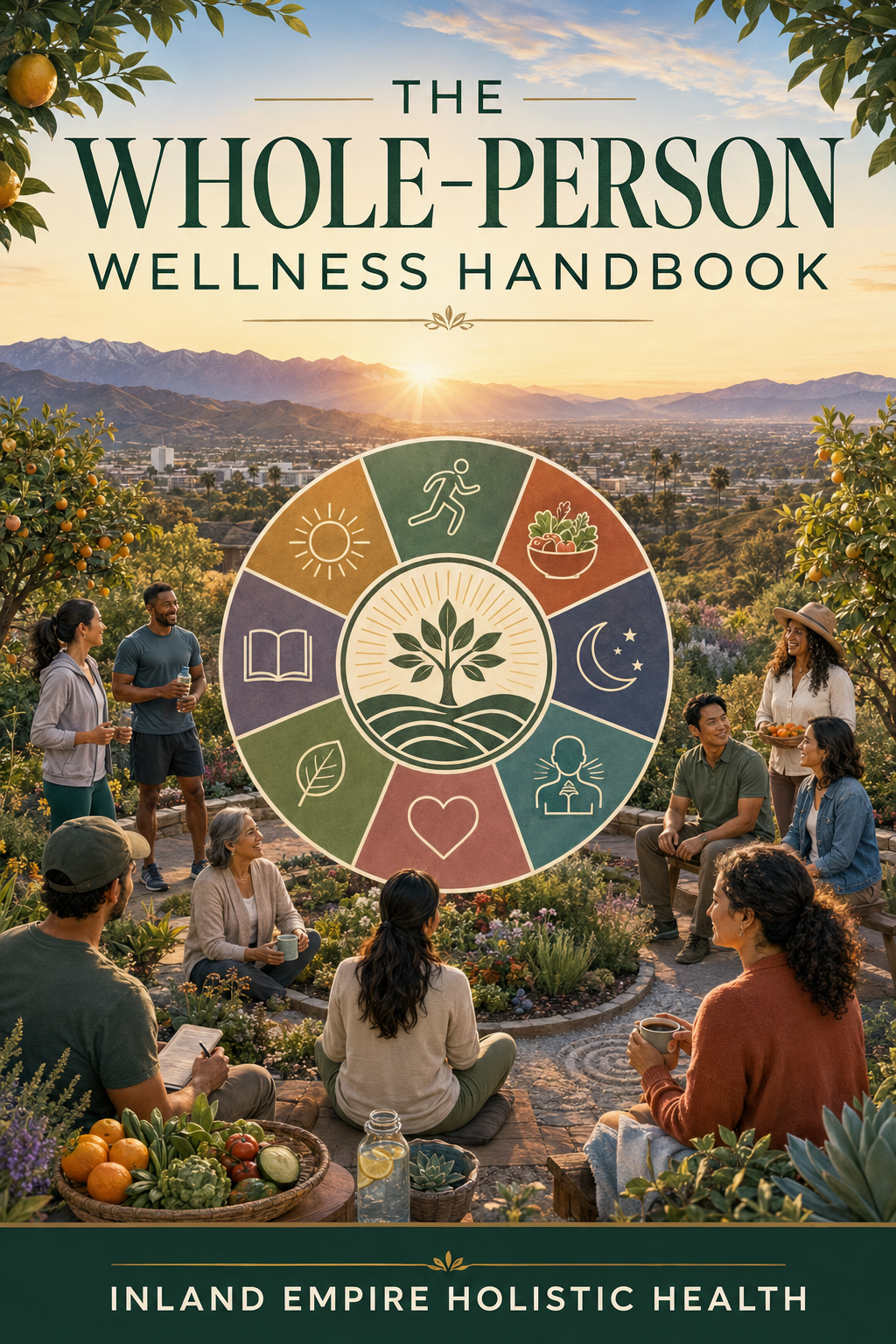
The way federal science talks about wellness is shifting toward the "whole person." The NIH National Center for Complementary and Integrative Health frames its mission around studying how mind-and-body practices — mindfulness meditation, yoga, acupuncture, massage — affect emotional well-being and overall health, and 2026 has brought new NCCIH resources on getting the most out of these interventions. The core idea is coordination: bringing conventional and complementary approaches together rather than treating them as rivals.
For an Inland Empire household, that translates into simple, evidence-aligned habits — regular movement, stress-reduction practices, sleep, and nutrition — used alongside, not instead of, medical care. It also means honest expectations: NCCIH emphasizes that complementary approaches have varying levels of evidence, and that "integrative" works best when your physician is part of the plan.
This is general educational information, not medical advice. These are complementary modalities and not a substitute for licensed medical care. Anyone managing a health condition should coordinate any new practice with a qualified healthcare provider.
Sources: NIH NCCIH — Whole Person Health; NIH NCCIH